The Day a Colorado Town Declared Independence Over Road Repairs (And Actually Won)
When Democracy Meets Drama
In 1977, a small unincorporated community in Colorado pulled off one of the most successful political stunts in American history — and it all started with a pothole. The residents of Kinloch, fed up with years of bureaucratic indifference to their crumbling roads, decided to fight city hall by literally declaring independence from the entire country.
What sounds like the premise of a satirical novel actually happened, and more remarkably, it worked.
The Road to Revolution
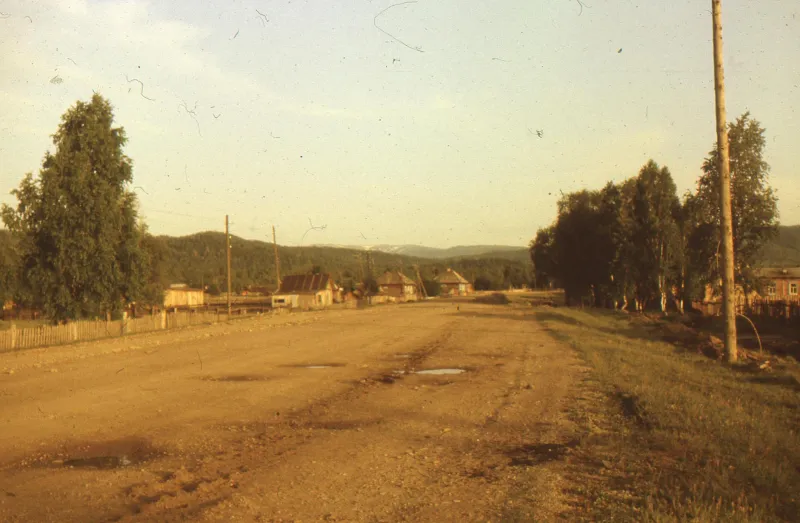
Kinloch wasn't asking for much. Nestled in the mountains about 30 miles southwest of Denver, this community of roughly 200 residents had been dealing with roads that resembled lunar landscapes more than functional transportation infrastructure. Years of harsh mountain winters had turned their main thoroughfare into a obstacle course of potholes, washouts, and crumbling asphalt.
The problem wasn't unique to Kinloch — rural Colorado communities have always struggled with road maintenance. What made this situation special was the complete radio silence from Jefferson County officials whenever residents raised concerns. Phone calls went unreturned. Letters disappeared into bureaucratic black holes. Town meetings produced nothing but empty promises.
By early 1977, residents had reached their breaking point. The road conditions weren't just inconvenient; they were becoming dangerous. Emergency vehicles struggled to navigate the deteriorating surfaces. Mail delivery became sporadic. Some residents worried about being cut off entirely during the next heavy snow season.
The Birth of a Nation
That's when local resident and natural-born rabble-rouser Tom Witcher proposed what seemed like a joke: if Jefferson County didn't want to treat them like citizens, maybe they shouldn't be citizens at all.
What started as barroom grumbling quickly evolved into something more organized. Witcher and his neighbors began drafting what they called the "Kinloch Declaration of Independence," a document that borrowed heavily from the 1776 original while focusing specifically on their grievances against county road maintenance policies.
The declaration was both legally meaningless and politically brilliant. It accused Jefferson County of "taxation without representation" — since they were paying county taxes but receiving no services in return. It listed their specific grievances in formal language that would have made the Founding Fathers proud. And it officially declared Kinloch's independence from the United States of America, effective immediately.
Media Circus Meets Mountain Town
When Witcher called local newspapers to announce Kinloch's secession, he expected maybe a brief mention in the community news section. Instead, the story exploded across Colorado and then went national. Television crews descended on the tiny community. Radio stations called for interviews. The Associated Press picked up the story.
Sudenly, Kinloch found itself at the center of a media circus that nobody had anticipated. Reporters loved the David-and-Goliath angle of a tiny mountain community taking on government bureaucracy. The visual of residents posing next to crater-sized potholes while holding their declaration made for perfect television.
Witcher played his role to perfection, giving interviews while wearing a tricorn hat and referring to himself as "President of the Independent Republic of Kinloch." He issued mock diplomatic statements and joked about establishing trade relations with neighboring communities. The whole production had just the right mix of genuine frustration and theatrical absurdity to capture public imagination.
Victory Through Satire
The stunt's success caught everyone off guard, especially Jefferson County officials who suddenly found themselves fielding calls from reporters asking about their "former citizens" in Kinloch. The media attention transformed what had been an easy-to-ignore rural complaint into a public relations nightmare for the county.
Within two weeks of the declaration, county road crews appeared in Kinloch with enough equipment to repave the entire main road. Officials who had been unreachable for months suddenly became very available for meetings. The county even allocated additional funding for ongoing maintenance — something residents had been requesting for years.
The speed of the response was almost comical. County Commissioner Bob Briggs, who had previously dismissed Kinloch's concerns, found himself making public statements about the importance of rural infrastructure and promising better communication with unincorporated communities.
The War Nobody Lost
By summer 1977, Kinloch had officially "rejoined" the United States, though residents joke that the terms of surrender were entirely in their favor. The community got its roads fixed, ongoing maintenance promises, and a story that would define their identity for decades to come.
Local officials still refer to the episode as "the war we won without firing a shot." The Kinloch Declaration of Independence hangs framed in the community center, and residents occasionally threaten to secede again whenever county services lag.
The success of Kinloch's theatrical protest inspired similar stunts across rural America, though few achieved the same combination of media attention and practical results. The story became a case study in how small communities could use humor and media savvy to force larger governments to pay attention.
The Pothole That Changed Everything
What makes the Kinloch secession remarkable isn't just that it worked — it's that it worked so well. A community that couldn't get a phone call returned suddenly had county officials competing to fix their problems. The power of theatrical protest, combined with perfect media timing, transformed frustrated citizens into folk heroes overnight.
Today, the roads in Kinloch are well-maintained, and county officials are notably more responsive to community concerns. Sometimes, it seems, the most effective way to work within the system is to dramatically threaten to leave it entirely.