The Deserter Who Became Mexico's Most Celebrated Foreign General
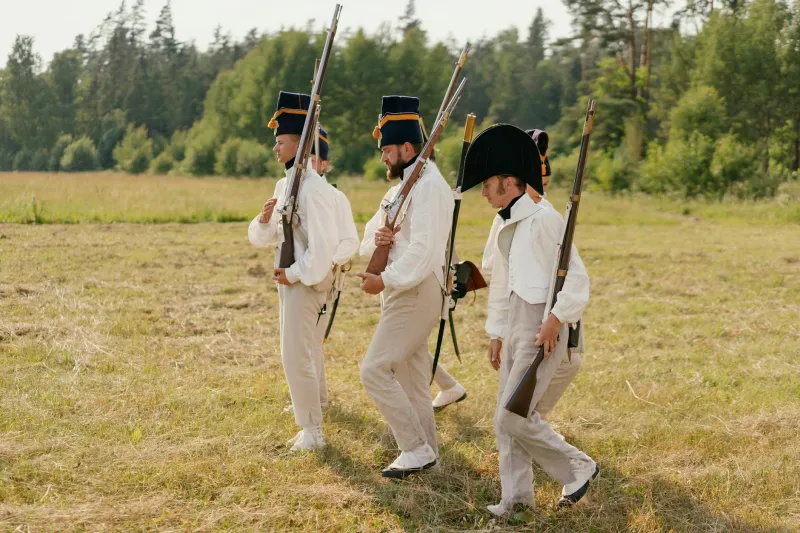
When Desertion Leads to Promotion
In 1846, a homesick Irish immigrant named John Riley made what should have been the worst career move in military history. Faced with anti-Catholic prejudice and brutal conditions in the US Army, Riley crossed the Rio Grande and joined the Mexican forces — not as a prisoner, but as a volunteer. Within months, this former private was commanding artillery units and earning the respect of Mexican generals who had never heard his name before the war started.
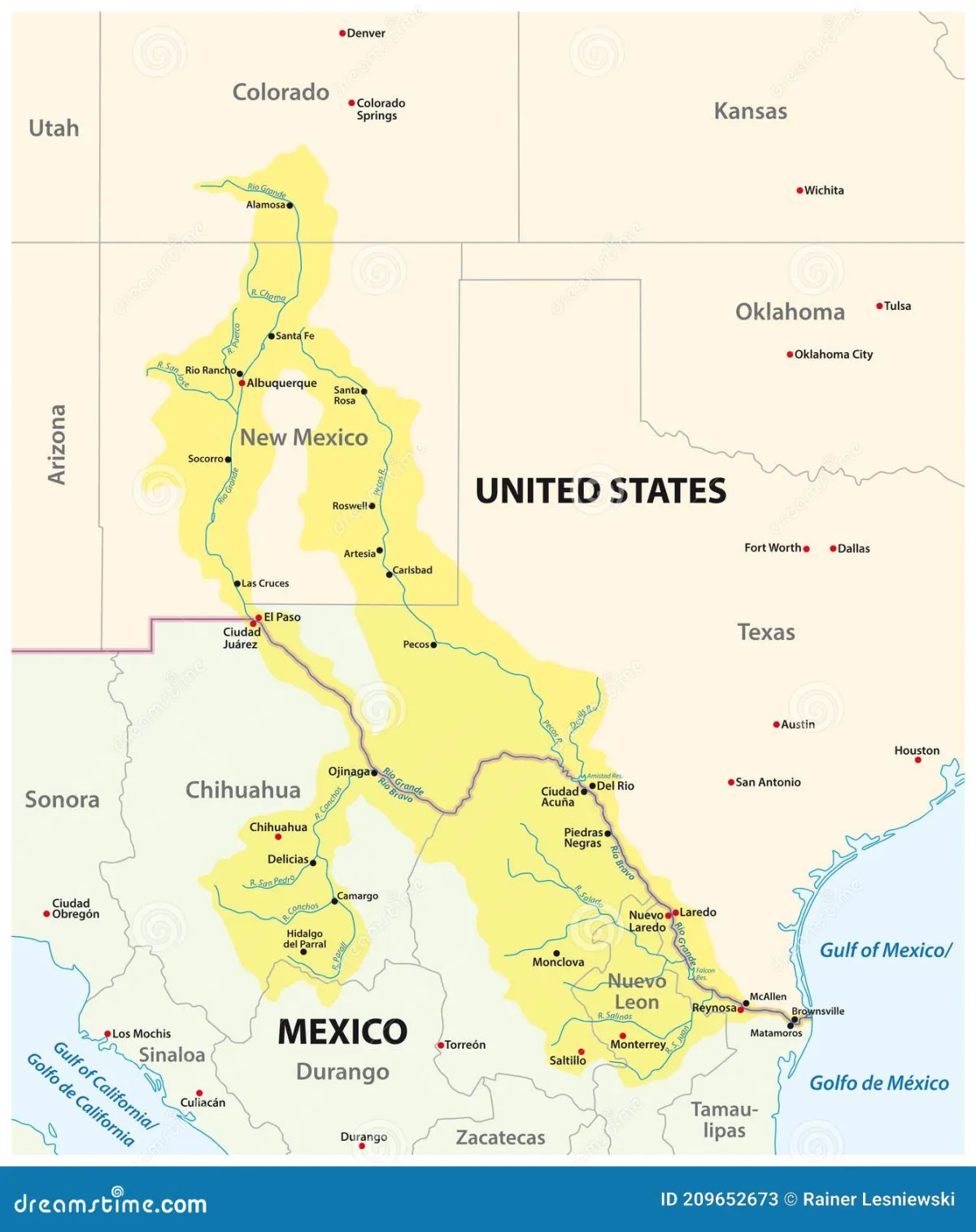 Photo: Rio Grande, via thumbs.dreamstime.com
What happened next sounds like the plot of a fever dream: Riley didn't just fight against his former army — he became so effective that Mexico promoted him to major and put him in charge of an entire battalion of fellow deserters called the Saint Patrick's Battalion, or "San Patricios."
The Battalion Nobody Talks About
The Saint Patrick's Battalion wasn't just Riley operating alone. Over 200 American soldiers, mostly Irish and German immigrants, followed his lead and switched sides during the war. These weren't cowards running from battle — they were experienced artillerymen who brought their expertise with them and became some of Mexico's most feared fighters.
Riley's unit fought in major battles at Monterrey, Buena Vista, and Churubusco, where they operated captured American cannons against their former brothers-in-arms. Mexican commanders quickly realized they had stumbled onto something remarkable: American soldiers who understood American tactics but were now motivated to use that knowledge against the US Army.
The irony was thick enough to cut with a bayonet. Riley, who had been considered expendable enough to desert, was now trusted with command decisions that affected the outcome of entire battles. Mexican officers who had never set foot in America were taking tactical advice from a man who had been scrubbing latrines just months earlier.
A Hero on the Wrong Side of History
When the war ended in 1848, Riley faced a choice that would have stumped a philosophy professor: return to face certain execution for desertion, or stay in Mexico as a permanent exile. He chose Mexico, where he lived until 1850 before disappearing from historical records entirely. Some say he died in Mexico; others claim he returned to Ireland. Nobody knows for sure, which somehow makes the whole story even more surreal.
Here's where the story gets truly bizarre: Mexico never forgot John Riley. Today, you can find monuments to the San Patricios in Mexico City and other locations throughout the country. There are annual commemorations, historical markers, and even a Mexican postage stamp featuring Riley's image. The Mexican government considers him a hero who fought against American imperialism.
 Photo: Mexico City, via c8.alamy.com
Meanwhile, in the United States, Riley exists in a historical black hole. American textbooks barely mention the Saint Patrick's Battalion, and when they do, it's usually in the context of treason and desertion. The man who became a Mexican folk hero is treated as an embarrassing footnote in American military history.
The Legal Nightmare That Never Ended
Riley's story exposes one of the strangest legal grey areas in American military history. Technically, he was a traitor who should have been executed. Practically, he was a foreign military officer fighting for a sovereign nation during a declared war. Historically, he was both a villain and a hero, depending on which side of the Rio Grande you happened to be standing on.
The US Army captured some members of the Saint Patrick's Battalion during the war and executed 50 of them — the largest mass execution in American military history. But Riley himself was never caught, never tried, and never officially punished. He exists in American records as a deserter who simply vanished, while Mexican records show him as a decorated officer who served with distinction.
When History Can't Decide What You Are
Perhaps the most unbelievable part of Riley's story is how completely it challenges our understanding of loyalty, nationality, and military service. In an era when soldiers were expected to fight for their country regardless of how that country treated them, Riley made a calculated decision to fight for his principles instead of his flag.
The result was a military career that should have been impossible: a man who went from being considered a disposable immigrant soldier to commanding respect from generals in a foreign army. He proved that sometimes the best way to become indispensable is to make yourself unavailable to the people who didn't appreciate you in the first place.
John Riley's transformation from American deserter to Mexican general remains one of the most peculiar military careers in North American history — a reminder that sometimes the most unlikely people end up in the most unlikely places, doing the most unlikely things, and somehow making it all work.