The Song Everyone Sings That Nobody Actually Owned

The Most Expensive Birthday Party in History
Every time a restaurant chain wanted their servers to sing "Happy Birthday" in a commercial, they had to write a check to Warner Music Group. Every time a movie character celebrated a birthday on screen, the studio paid licensing fees for four simple lines that every three-year-old knows by heart. For 80 years, one of the most basic human expressions — singing someone a birthday song — was technically corporate property.
The bizarre part? The copyright claim was built on paperwork that would make a con artist blush.
How to Steal a Song Everyone Already Knows
The "Happy Birthday" copyright saga began in 1893 when two Kentucky schoolteachers, Mildred and Patty Hill, published a song called "Good Morning to All" in a collection of children's songs. The melody was catchy, the lyrics were simple, and sometime in the early 1900s, people started singing different words to the same tune — words that began with "Happy birthday to you."
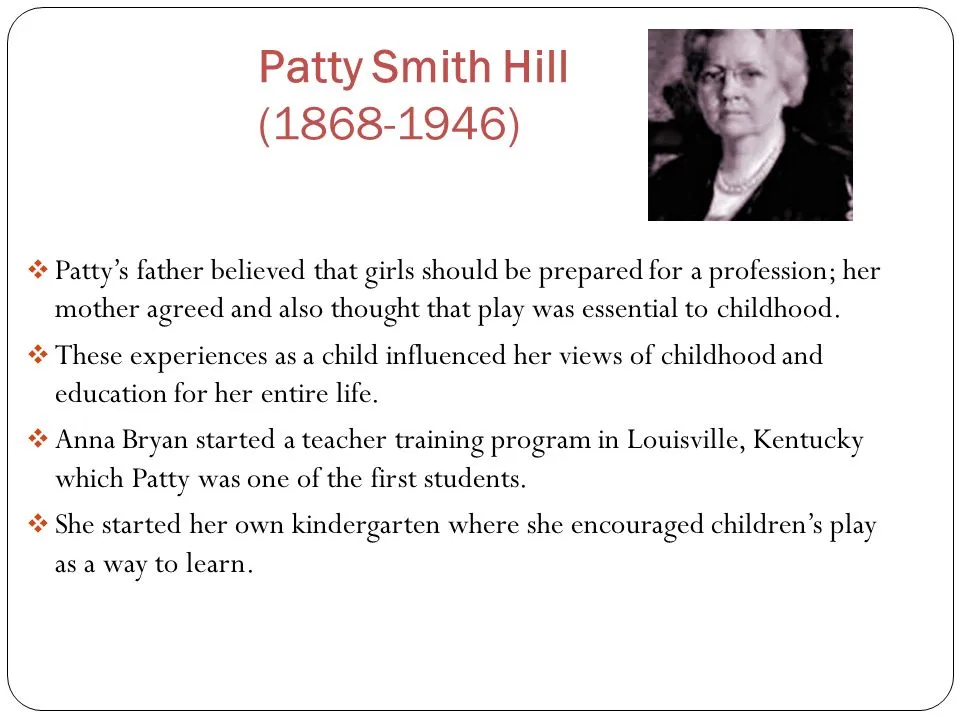 Photo: Patty Hill, via cmarz.weebly.com
Nobody knows exactly when or where the birthday lyrics first appeared. They seemed to emerge organically, the way folk songs do, spreading from playground to playground and party to party without anyone claiming ownership. By the 1920s, "Happy Birthday to You" was everywhere, and nobody was paying anyone for the privilege of singing it.
That's when the Clayton F. Summy Company smelled opportunity.
The Copyright That Ate America
In 1935, Summy published "Happy Birthday to You" and claimed copyright ownership, even though the song had been in widespread public use for decades. The claim was based on the original Hill sisters' melody and a tenuous argument that someone, somewhere, had written down the birthday lyrics and therefore owned them.
The Hill sisters never made this claim themselves. In fact, Mildred Hill died in 1916, long before anyone thought to copyright the birthday version. But Summy's lawyers crafted a legal argument that sounded plausible enough to scare potential challengers: pay us, or we'll sue you for copyright infringement.
 Photo: Mildred Hill, via alchetron.com
For the next 80 years, that strategy worked flawlessly.
The Royalty Machine That Never Stopped
Warner Music Group eventually acquired the rights from Summy and turned "Happy Birthday" into a cash cow that produced an estimated $2 million per year in licensing fees. Restaurants developed elaborate workarounds to avoid paying royalties — that's why chain establishments often have their own bizarre birthday songs that sound nothing like what normal humans sing at parties.
Film studios budgeted for "Happy Birthday" licenses the same way they budgeted for star salaries. Television shows either paid the fees or awkwardly avoided birthday scenes entirely. The song that represented celebration and joy had become a legal minefield that creative people had to navigate with corporate lawyers.
Meanwhile, ordinary Americans continued singing "Happy Birthday" at millions of parties, completely unaware that they were technically violating copyright law every time they opened their mouths. Warner never went after individuals — the real money was in commercial uses — but the legal principle remained: the most universal song in American culture was private property.
The Lawsuit That Changed Everything
In 2013, filmmaker Jennifer Nelson was making a documentary about "Happy Birthday" and balked at paying Warner's $1,500 licensing fee. Instead of writing the check, she filed a lawsuit challenging the entire copyright claim. What her lawyers discovered was a paper trail that would have impressed Harry Houdini.
 Photo: Jennifer Nelson, via images.squarespace-cdn.com
The original 1935 copyright registration was for a specific piano arrangement, not the song itself. The Hill sisters had never claimed ownership of the birthday lyrics. Most damaging of all, there was evidence that "Happy Birthday to You" had been published without copyright notice before 1935, which should have placed it in the public domain immediately.
In other words, Warner had been collecting royalties for 80 years based on a copyright that probably never existed in the first place.
The Day the Music Died (for Lawyers)
In 2015, a federal judge ruled that Warner's copyright claim was invalid and that "Happy Birthday to You" belonged in the public domain, where it probably should have been all along. The company agreed to pay $14 million to settle claims from everyone who had paid licensing fees over the decades.
Sudenly, the most expensive song in history became free. Restaurants could train their servers to sing the real birthday song. Filmmakers could include authentic birthday parties without consulting entertainment lawyers. The song that everyone had been singing all along was finally legal for everyone to sing.
The Billion-Dollar Folk Song
The "Happy Birthday" copyright case revealed something unsettling about how intellectual property law works in practice: sometimes the most basic cultural expressions can be captured by legal technicalities and held hostage for generations. A song that emerged from American playgrounds became corporate property through paperwork that most legal experts now agree was questionable from the beginning.
Today, "Happy Birthday to You" is officially free, but its journey through the American legal system serves as a reminder that the line between public culture and private property is often drawn by whoever has the best lawyers — and sometimes those lawyers are just making it up as they go along.