Hollywood Built a Fake City to Fool Nazi Spies — Then Everyone Forgot It Existed
The Greatest Set Design Never Filmed
In 1943, if you had flown over a quiet residential neighborhood in Seattle, you would have seen tree-lined streets, modest houses, and parked cars — a perfectly ordinary slice of American suburbia. What you wouldn't have seen was the massive aircraft factory hidden underneath it all, churning out B-17 Flying Fortress bombers 24 hours a day. The entire neighborhood was fake, built by Hollywood professionals and military engineers to create one of the most elaborate deceptions in wartime history.
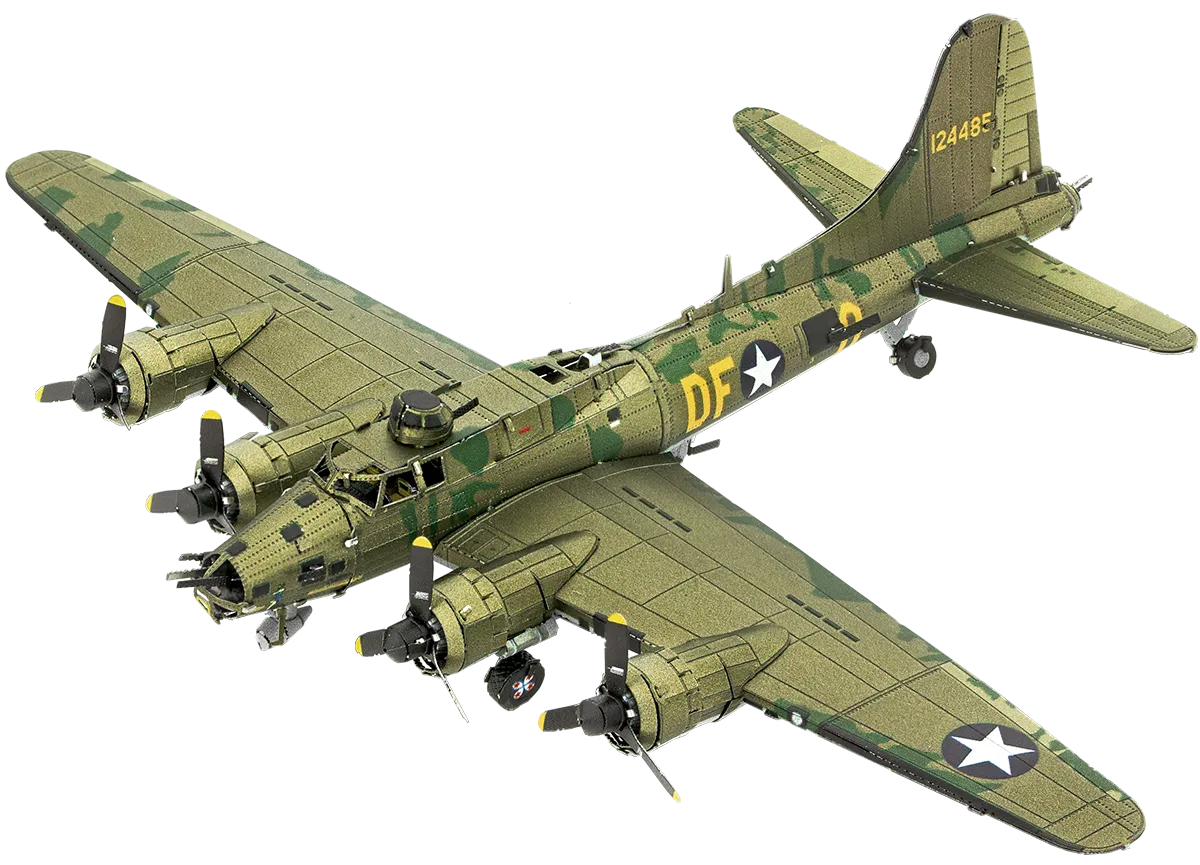 Photo: B-17 Flying Fortress, via www.innovatoys.com
The project was so classified that construction workers had to sign documents promising they wouldn't tell anyone — including their own spouses — what they were building. For decades afterward, the people who created this suburban mirage kept the secret so well that most Americans still don't know it happened.
When Movie Magic Meets Military Strategy
The Boeing Plant 2 in Seattle was producing B-17 bombers at a rate that made it one of the most valuable targets on the West Coast. Military strategists knew that German reconnaissance flights and submarine-launched aircraft were photographing American industrial facilities, mapping them for potential bombing raids. Boeing's factory, with its distinctive rooflines and massive parking lots, would have been easy to spot from the air.
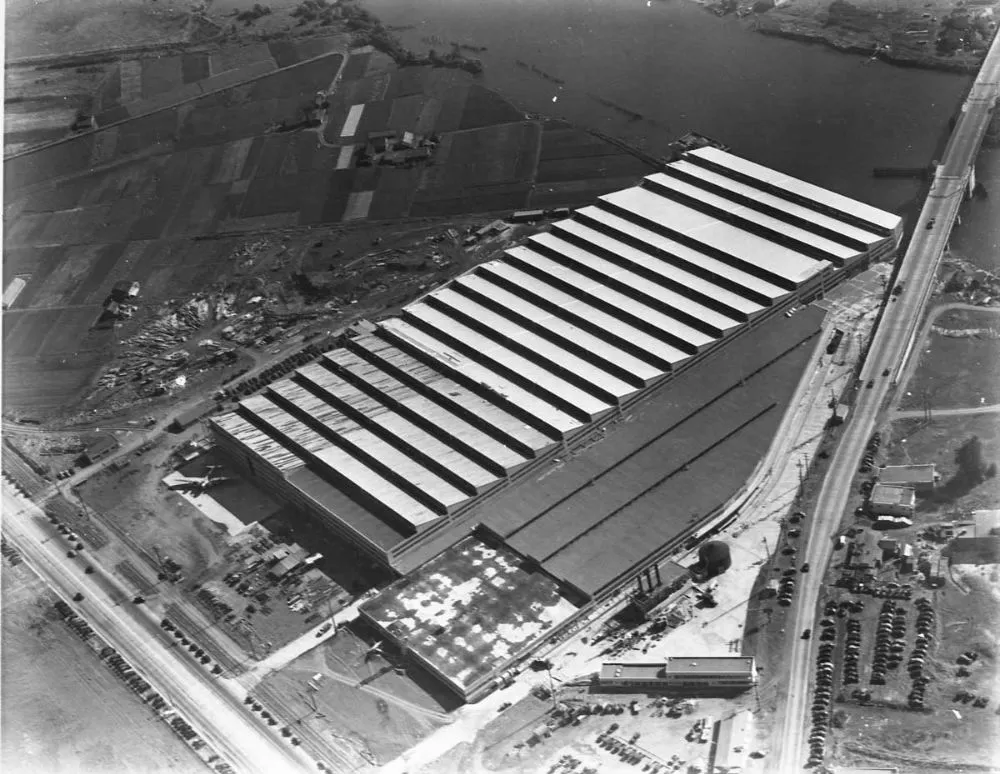 Photo: Boeing Plant 2, via 4.bp.blogspot.com
So the Army Corps of Engineers did something that had never been attempted before: they hired Hollywood set designers to make an entire aircraft factory disappear.
The team included professionals from major film studios who specialized in creating believable environments for movies. But instead of building sets for cameras, they were building for enemy reconnaissance aircraft flying at 20,000 feet. The challenge was creating an illusion that would fool trained military observers studying aerial photographs.
Building a Neighborhood That Never Was
The fake residential area covered 26 acres of factory rooftop. Set designers constructed lightweight houses, complete with fake front yards, artificial trees, and even laundry hanging on clotheslines. They painted streets directly onto the roof and positioned fake cars that were actually plywood cutouts designed to cast realistic shadows.
The attention to detail was obsessive. Different house styles were used to simulate a neighborhood that had developed over time. Fake gardens included plants that would be appropriate for the Pacific Northwest climate. Streets followed curves and patterns that matched actual residential developments in the area.
Workers entered the factory through concealed entrances that looked like basement doors or garage entrances. The real factory floor continued operating below while people walked around on fake sidewalks above their heads. It was like a functioning theater where the audience was enemy aircraft and the performance never stopped.
The Secret That Stayed Secret
The classification level for this project was so high that most of the workers involved weren't told why they were building fake houses on a rooftop. They were given specific construction tasks and told not to discuss their work outside the facility. Many assumed they were working on some kind of training facility or experimental project.
Families of workers noticed that their relatives were working on something unusual — they would come home with stories about building fake trees or painting streets — but the workers themselves often didn't understand the full scope of what they were creating. The compartmentalized nature of the project meant that only a handful of people knew they were looking at one of the most ambitious camouflage operations ever attempted.
Even after the war ended, the secrecy continued. The fake neighborhood was dismantled quietly, and the people who built it were encouraged to treat their wartime work as classified information. Many took that instruction seriously for the rest of their lives.
The Illusion That Worked Too Well
German reconnaissance flights did photograph the Seattle area during the war, and military intelligence analysts believe the camouflage was effective. In aerial photos from the period, the fake neighborhood looks convincingly residential. Without ground-level reference points, it would have been nearly impossible to determine that the houses and streets weren't real.
The irony is that the project worked so well that it became invisible to history as well as to enemy aircraft. Because it was classified and because it was designed to look like nothing special, most documentation about the fake neighborhood was either destroyed or buried in military archives that weren't declassified for decades.
Hollywood's Secret War Contribution
The Seattle camouflage project represented a unique collaboration between entertainment industry professionals and military engineers. Set designers who had created fantasy worlds for movies found themselves creating a fantasy world to protect real American workers and strategic military production.
The techniques developed for this project influenced military camouflage operations throughout the war and beyond. The idea of using entertainment industry expertise for military deception became a template that was used in other contexts, though rarely on such an elaborate scale.
The Neighborhood That Time Forgot
Today, the Boeing Plant 2 site is part of Boeing Field, and there's no visible trace of the fake neighborhood that once covered its rooftops. No historical markers commemorate the project, and most Seattle residents have never heard the story. The people who built it are mostly gone, and the military records that document it are scattered across various archives.
The fake neighborhood represents one of those peculiar moments when American ingenuity, Hollywood creativity, and wartime necessity combined to create something that was simultaneously brilliant and absurd. For two years, one of the most important aircraft factories in America was hidden underneath a suburban fantasy that existed only to fool enemy photographers.
It worked so well that it fooled almost everyone — including, eventually, the people who built it and the country they were trying to protect.