America's Most Solemn Song Started as a British Pub Crawl

Photo by Photo by Joshua Woods on Unsplash on Unsplash
A Poem, a Battle, and a Melody Nobody Owned
The story most Americans learn goes something like this: Francis Scott Key watched the British bombardment of Fort McHenry from a ship in Baltimore Harbor on the night of September 13, 1814, saw the American flag still flying at dawn, and was so moved that he wrote a poem about it. That part is true.
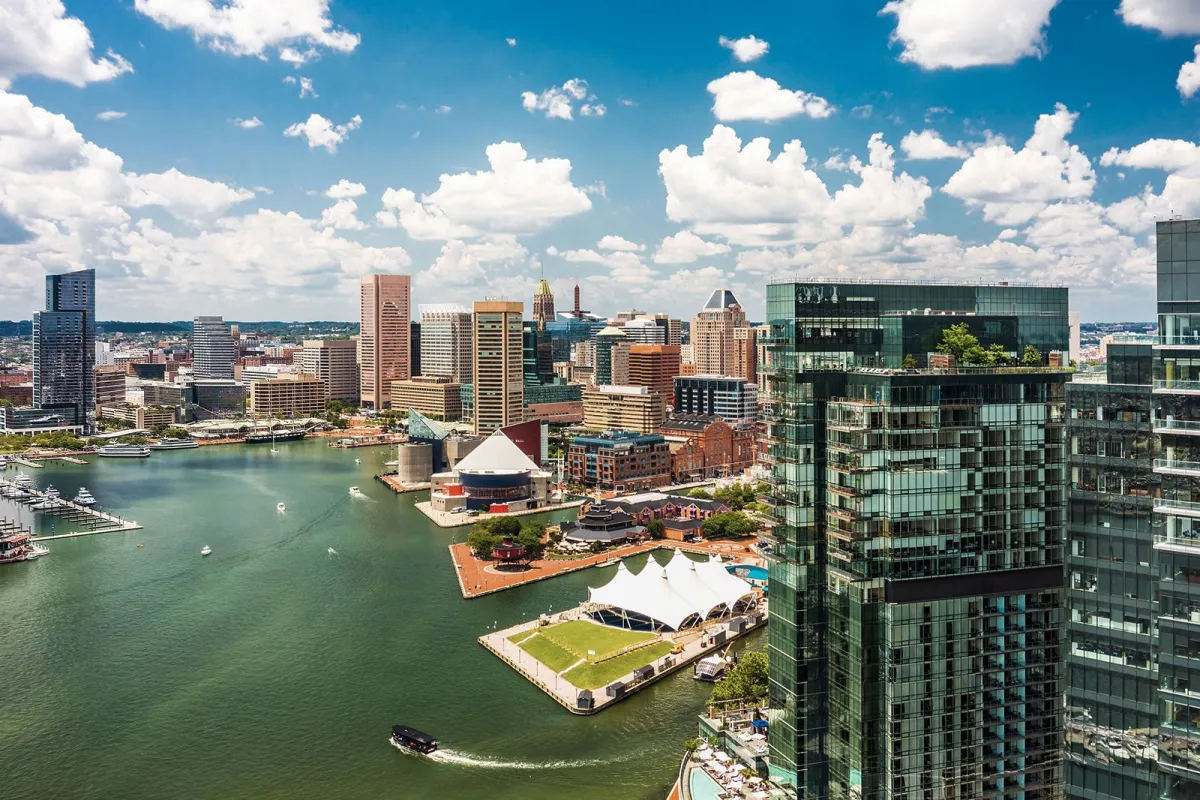 Photo: Baltimore Harbor, via a.cdn-hotels.com
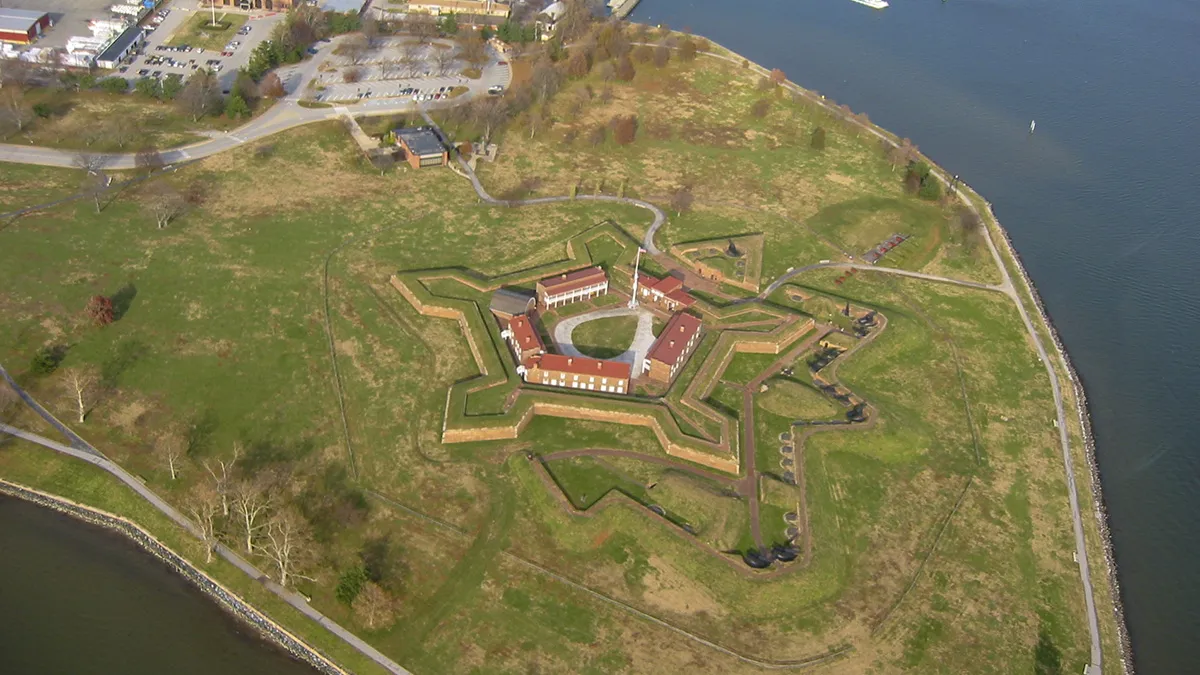 Photo: Fort McHenry, via www.tclf.org
The part that gets left out of the civics lesson is that Key didn't write the music. He didn't compose anything. He took his poem and matched it to a tune that was already floating around American social circles — a melody that had been lifted directly from a popular British gentlemen's club song called "To Anacreon in Heaven," which was, depending on your definition, either a drinking song or a drinking song with aspirations.
The Anacreontic Society was a London music club named after a Greek poet famous for writing about wine and love. Their official club song — the one Key borrowed — was a technically demanding piece with a notoriously wide vocal range, written specifically to show off the singing abilities of club members after a few rounds. It was performed at gatherings. It was sung in taverns. It was, by the early nineteenth century, extremely well known on both sides of the Atlantic.
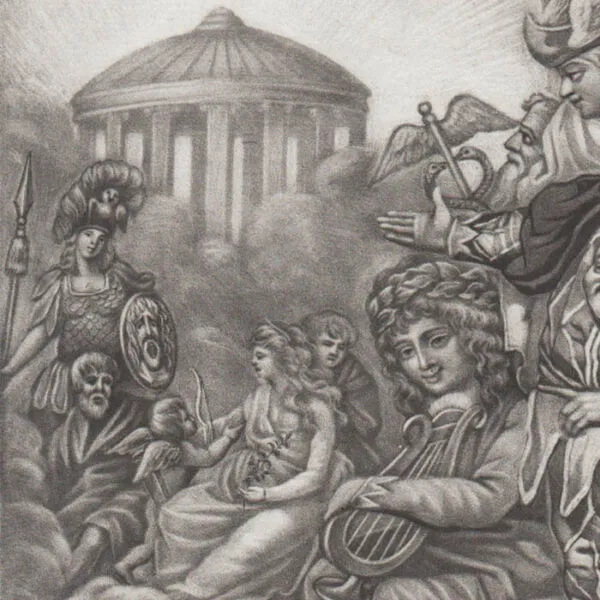 Photo: Anacreontic Society, via www.georgeglazer.com
Key knew exactly what he was doing when he matched his words to it. He had actually used the same melody before, for a different patriotic poem. The tune was catchy, it was familiar, and it worked. What he probably did not anticipate was that this particular combination of borrowed melody and battlefield inspiration would spend the next two centuries serving as the official soundtrack to the world's most powerful democracy.
The Long, Contentious Road to Official Status
Here is the thing about the Star-Spangled Banner that most people find genuinely surprising when they first hear it: it was not the national anthem for most of American history. Not officially. Not legally.
For the century following the War of 1812, it was one of several songs competing for the informal title of "America's song." "Hail, Columbia" had a strong claim. "My Country, 'Tis of Thee" — which itself borrowed a melody, this time from the British national anthem — was widely performed at official events. "America the Beautiful," written in 1893, had a devoted following that argued its lyrics were more poetic and its melody more singable. The Star-Spangled Banner had passionate supporters, but it also had a recurring problem: most people couldn't actually sing it.
The vocal range required to perform the song correctly — a direct inheritance from its origins as a showpiece for club singers — is roughly an octave and a half. Professional singers routinely struggle with it. The average person attempting it at a sporting event is essentially auditioning for public humiliation. Critics of the song pointed this out repeatedly throughout the nineteenth and early twentieth centuries, and they were not wrong.
Congress received proposals to officially designate a national anthem multiple times before 1931. Most of them went nowhere. The political will simply wasn't there, and the competing factions backing different songs kept the question perpetually unresolved.
Enter the Veterans, the Lobbyists, and the Unlikely Final Push
The reason the Star-Spangled Banner finally crossed the finish line in 1931 is one of the odder footnotes in American legislative history.
A women's veterans organization called the Veterans of Foreign Wars Auxiliary mounted a sustained lobbying campaign in the late 1920s and early 1930s specifically to get the song officially designated. They collected signatures — reportedly over five million of them, which was an enormous number for the era — and delivered petitions to Congress in what amounted to one of the more organized grassroots pushes in early twentieth-century American civic life.
The campaign worked. On March 4, 1931, President Herbert Hoover signed the bill that made the Star-Spangled Banner the official national anthem of the United States. It had taken 117 years.
Opposition didn't vanish after the signing. Temperance advocates had long objected to the song's origins as a tavern tune — an irony so thick you could pour it over pancakes, given that Prohibition was still technically the law of the land when Hoover signed the bill. Others continued to argue for "America the Beautiful" on the grounds of singability alone, a campaign that has never entirely gone away.
What It Actually Means That We Picked This Song
There's something almost perfectly American about the whole story, if you squint at it the right way.
The song was written in the heat of a single dramatic night by a man who borrowed someone else's melody. It spent over a century in a kind of unofficial limbo, beloved by some and actively opposed by others. It finally became official not through any grand national consensus but through the determined paperwork of a veterans' auxiliary group that simply outlasted everyone else's indifference. And it remains, to this day, a song that a significant portion of the population cannot reliably sing without either cracking on the high notes or quietly mouthing words they've never fully memorized.
The British drinking society that inspired the melody dissolved long ago. The Anacreontic Society's original song is now almost entirely forgotten except as a footnote to American history. But their tune — written for a London gentlemen's club, borrowed by a Baltimore lawyer on a warship, contested for a century, and finally made official by a petition drive — plays before every baseball game in the country.
Plausibly false. Completely true.